

Table of Contents
- Introduction
- Why Social Media Matters for Brand Awareness
- Common Pain Points Businesses Face in Social Media Branding
- Understanding Brand Awareness in the Digital Era
- How to Use Social Media for Brand Awareness: Proven Strategies
- 5.1 Define Your Target Audience
- 5.2 Choose the Right Platforms
- 5.3 Create Engaging Content
- 5.4 Leverage Paid Ads for Reach
- 5.5 Collaborate with Influencers
- 5.6 Use Consistent Branding
- 5.7 Encourage User-Generated Content
- 5.8 Post at the Right Time
- 5.9 Monitor & Optimize Performance
- Tools to Boost Social Media Brand Awareness
- Examples of Brands Using Social Media Effectively
- Measuring the Impact of Social Media on Brand Awareness
- Future Trends in Social Media Branding
- Conclusion
Introduction
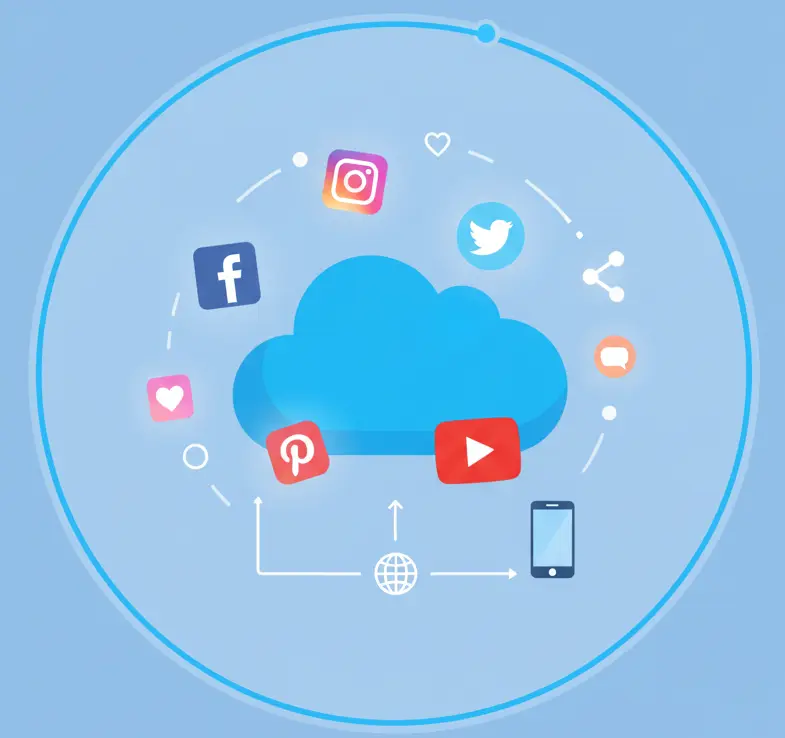
In the digital-centric environment of today, all brands— from fledging startups to established firms — craves one thing: attention. There are thousands of options, so the brands that succeed are those that stick in an audience’s head. That’s why companies want to know how to leverage social media for brand promotion.
No longer just networking spaces, these social media platforms are now powerful engines of branding. If you are not using them to your advantage, then your competition certainly is.
This is your ultimate blog for creating & boosting brand.
Why Social Media Matters for Brand Awareness
Massive Reach: With the power of Instagram, Facebook, and LinkedIn, connecting with billions is possible.
More Efficient Marketing: Organic content can spread further with less spend, compared to traditional advertisements.
Building Trust: 70% of people trust brands they follow on social media.
Engagement Factor: Unlike traditional advertising, social media is a two-way game – brands you can talk to the audience and vice-versa.
If you’re still questioning how social media can promote businesses, imagine this: Your brand is invisible without social media and has insurmountable competition in a crowded digital world.
Common Pain Points Businesses Face in Social Media Branding
Before we get to solutions, however, what is it that bothers most businesses:
❌ Posting without a plan (which equals no engagement).
❌ Having trouble maintaining consistency between the platforms.
❌ Failure to identify the right audience.
❌ Organic reach is hard because of algorithm changes.
❌ Don’t have time or resources to make great content.
❌ Social media efforts aren’t having a clear ROI.
These challenges mean that many businesses feel frustrated and invisible. That’s why the ability to use social media for brand awareness effectively can flip the script.
Understanding Brand Awareness in the Digital Era
Brand awareness isn’t just about people recognizing your logo — it’s about being the first thing people think of when they hear about your industry.
For example:
If people merely desire coffee → they think of Starbucks.
For athletic shoes → Nike or Adidas.
Share on social networking → Facebook, Instagram, TikTok.
Likewise, your business should strive to be the default go-to in what you do. You have the playground that is social media to do this, but like a good game of Jenga it’s going to take some skill, creativity and consistency.
How to Use Social Media for Brand Awareness: Proven Strategies
Define Your Target Audience
Brand awareness starts with knowing to whom you’re speaking. Develop buyer personas that include specifics on age, hobbies and challenges.
Choose the Right Platforms
Not all platforms are appropriate for all brands.
Instagram & TikTok → Visual & lifestyle brands.
LinkedIn → Ideal for B2B and professionals.
Twitter/X → Great for fast updates, news stories and brand persona.
Pinterest → Perfect for fashion, travel, food and DIY brands.
Create Engaging Content
Not every platform is for every brand.
Instagram & TikTok → Ideal for visual and lifestyle brands.
LinkedIn → Great for B2B and professionals.
Twitter/X → Great for quick updates, news and/or brand personality.
Pinterest → Ideal for fashion, travel, food, DIY and CPG brands.
Leverage Paid Ads for Reach
As organic reach on social media and search continues to plummet as a result of algorithm updates, sticking with free strategies only restricts how far you can spread. Tossing a few dollars at paid advertising puts you in the driver’s seat of reaching your potential customer by his geographic location, occupation type, age range etc.
Collaborate with Influencers
Aligning with the perfect micro or macro-influencers can help expose your brand to much larger audiences and promote trust in your product, service or content. Influencers already have trust and loyal communities that value their opinions — which means their endorsements pack a punch compared with traditional ads.
Use Consistent Branding
Its consistency that builds a strong brand and keeps it recognizable. Your colors, logo, fonts and tone of voice between all websites such as your website, social media, emails and Ads should be the same. So when your visual and verbal identity remain the same, it makes for a congealed brand experience that audiences can easily recognize and trust.
Encourage User-Generated Content
Encouraging your customers to share their actual real life experiences and photos with your brand, products, and reviews is one of the most genuine ways there are for creating trust online. Not only does UGC display real-life satisfaction, it serves as social proof which poses a positive influence on new potential customers to trust and either engage with you or your business.
Post at the Right Time
It’s all about timing for getting the most engagement out of your content. The best post in the world can still fall to the wayside if you share it at a time when your audience isn’t hanging out. You can find these times of peak activity — the times your followers are most likely active online, scrolling and engaging—using social media analytics and insights.
Monitor & Optimize Performance
Digital marketing isn’t only about posting content — it’s about measuring what works and tweaking the strategy.
Tools to Boost Social Media Brand Awareness
Some must-use tools include:
- Canva – for eye-catching designs.

- Buffer / Hootsuite – for scheduling posts.

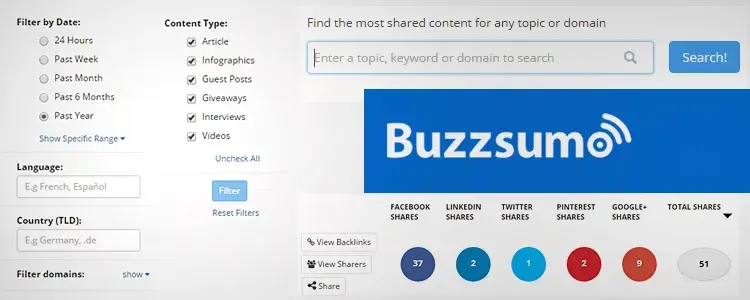
- BuzzSumo – to find trending topics.
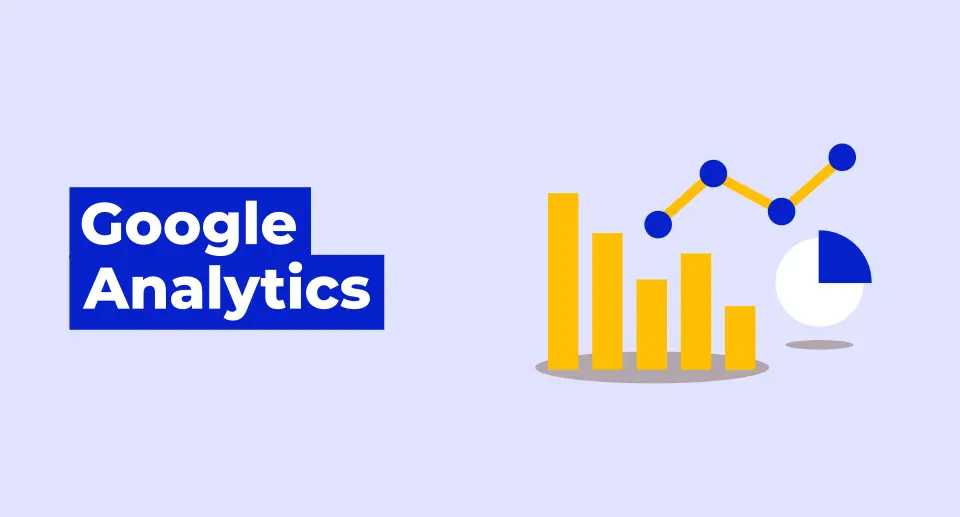
- Google Analytics – to track conversions.
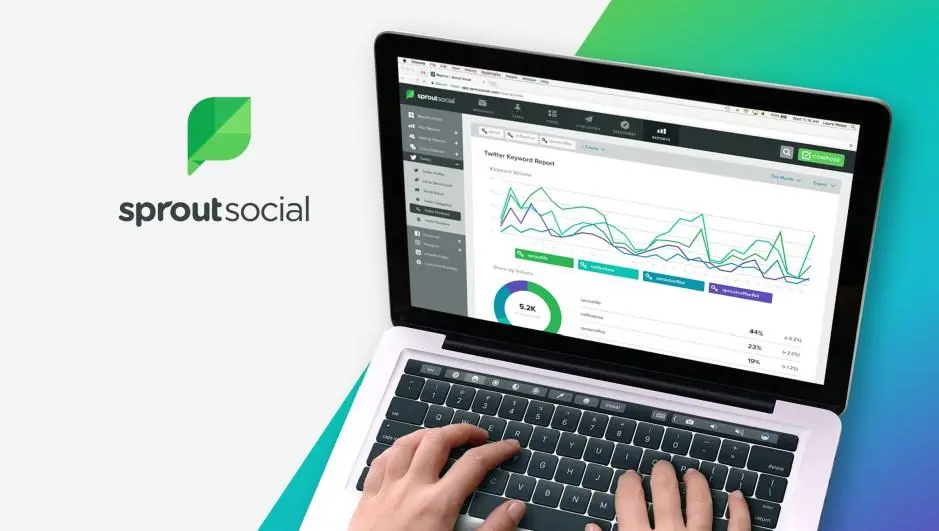
- Sprout Social – for performance insights.
Examples of Brands Using Social Media Effectively
- Nike → Inspires with powerful storytelling campaigns.
- Dove → Known for authentic, human-first campaigns.
- Zomato → Uses humor and memes to engage audiences.
- Spotify → Personalizes brand experience through shareable playlists.
These examples prove that knowing how to use social media for brand awareness can make even simple ideas go viral.
Measuring the Impact of Social Media on Brand Awareness
Key metrics to track:
- Reach & Impressions
- Engagement Rate (likes, shares, comments)
- Brand Mentions & Hashtags
- Website Traffic from Social Media
- Sentiment Analysis (positive vs negative mentions)
Key metrics to track:
Future Trends in Social Media Branding
- Rise of short-form video content (Reels, Shorts, TikTok).
- Increased use of AI-driven personalization.
- Growth of social commerce (buying directly on Instagram, Facebook).
- Greater focus on authenticity and transparency.
Conclusion
Learning how to use social media for brand awareness is not optional—it’s essential. With the right mix of creativity, consistency, and data-driven strategies, social platforms can turn your brand from “just another business” into a recognizable and trusted name.
If your business is struggling with low visibility, start applying the steps outlined here. Remember: social media is not just about posting—it’s about building long-term brand memory in the minds of your audience.
Sure ✅ Here are short, punchy EEAT (Expertise, Experience, Authoritativeness, Trustworthiness) lines you can use in your blog to boost credibility:
- Expertise: “Written by digital marketing experts with proven social media strategies.”
- Experience: “Backed by years of helping brands grow visibility across platforms.”
- Authoritativeness: “Trusted by businesses and supported with real-world case studies.”
- Trustworthiness: “Actionable tips you can apply with transparent, data-driven insights.”
👉 Do you want me to integrate these EEAT signals naturally inside your blog so Google picks them up for SEO?
🔹 FAQs
Q1. What is brand awareness in social media?
Brand awareness in social media refers to how familiar your target audience is with your brand, products, or services through platforms like Instagram, Facebook, LinkedIn, and TikTok.
Q2. Why is social media important for brand awareness?
Social media is important because it gives businesses a cost-effective way to reach billions of users, build trust, engage directly with customers, and create long-term visibility.
Q3. How can small businesses use social media for brand awareness?
Small businesses can start by choosing the right platform, posting consistently, engaging with followers, using hashtags, and encouraging user-generated content.
Q4. How long does it take to build brand awareness on social media?
There’s no fixed timeline, but with consistent posting, engaging content, and smart ad campaigns, most brands start seeing awareness results within 3–6 months.
Q5. What type of content increases brand awareness?
Content that educates, entertains, or inspires—such as reels, infographics, blogs, stories, and user-generated posts—works best for boosting awareness.
Q6. Should I run paid ads to improve brand awareness on social media?
Yes. Paid ads help target specific audiences and increase reach faster than organic methods, especially when starting out.
Q7. How do I measure social media brand awareness?
You can measure awareness through metrics like reach, impressions, engagement rate, brand mentions, hashtag performance, and referral traffic to your website.
Q8. What are common mistakes businesses make in social media branding?
Posting without a strategy, ignoring audience preferences, being inconsistent, and focusing only on sales instead of value-driven content.
our website: https://thedigiyatra.com/
Blog: https://www.blogger.com/u/3/blog/posts/7042101296214312772?pli=1
Hi, this is a comment.
To get started with moderating, editing, and deleting comments, please visit the Comments screen in the dashboard.
Commenter avatars come from Gravatar.